Creating Safe & Magical Spaces: The Ultimate Guide to Kids Furniture
2025-06-04
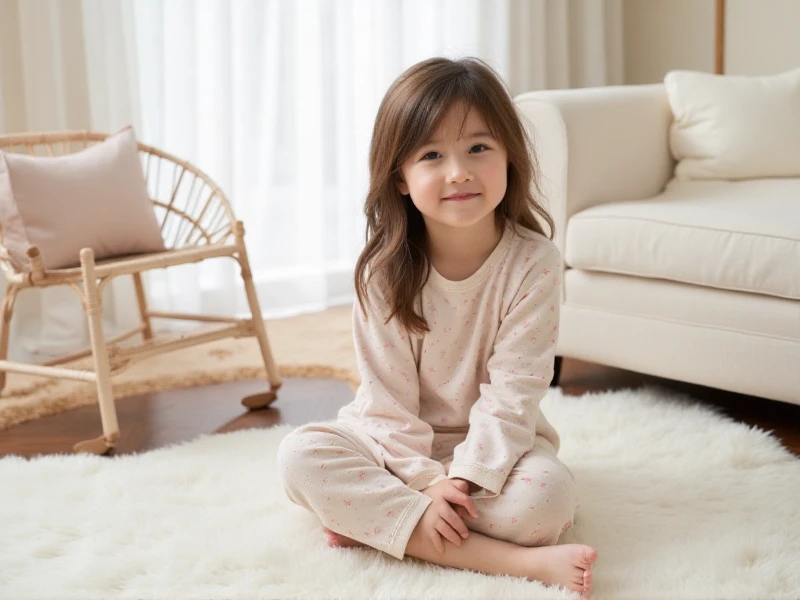
Designing a child's room involves more than just fun aesthetics; it requires smart, safe choices tailored to their ever-changing world. Kids furniture forms the foundation of their personal sanctuary, impacting creativity, independence, and well-being. This guide explores essential considerations when selecting pieces that blend joy, function, and growth.
Why Kids Furniture Needs Special Attention
Children interact differently with furniture than adults. Their furniture must withstand boundless energy, accidental spills, and imaginative play scenarios. It also needs to adapt through growth spurts and evolving interests. Look for durability, rounded edges (no sharp corners!), toxin-free certifications (like GREENGUARD Gold), and smart storage solutions. Materials such as solid wood, robust plastics, or powder-coated metal offer longevity without compromising on safety or style.
Essential Pieces Every Child’s Room Needs
1. The All-in-One Bed: Consider convertible crib-to-toddler beds or modular loft beds with desks underneath. Trundles maximize sleepovers. Safety rails for younger kids are non-negotiable.
2. Inspiring Study Corner: Adjustable desks and ergonomic chairs promote posture during coloring or homework. Look for height-adjustable designs saving you from yearly replacements.
3. Engaging Storage: Vibrant bins, cubbies, and low shelves encourage tidiness. Label them pictorially for preschoolers! Rotating toy displays keep clutter hidden yet accessible.
4. Creative Play Zones: Modular bookshelves become puppet theaters; small tables double as LEGO bases. Prioritize easy-to-clean surfaces!
Safety: The Non-Negotiable Principle
Beyond choosing non-toxic paints and finishes:
- Stability is Paramount: Anchor heavy items like dressers to walls to prevent tipping. Check weight limits.
- Smooth & Rounded: Sanded finishes prevent splinters; round knobs avoid bruises.
- Avoid Small Parts: For children under 3 especially, avoid detachable components posing choking risks.
Verify certifications: CPSC, ASTM F963, and California Proposition 65 compliance offer peace of mind.
Designing for Growth & Flexibility
Kids outgrow preferences and sizes rapidly. Invest in adaptable furniture:
- Extendable Tables & Chairs: Grow with your child’s height.
- Convertible Cribs: Evolve from infant bed to full-sized toddler daybed.
- Neutral Base Playful Accents: Choose timeless wood frames and swap out colorful bedding or decals instead of entire sets.
Blending Function with Imagination
Who says furniture can’t be a storytelling tool?
- Themed pieces (forest castles, space-station beds) spark role-play.
- Chalkboard tables ignite creativity; under-bed forts build secret worlds.
- Eco-friendly materials teach sustainability early on. Balance creativity with longevity – whimsical shapes should still endure daily use.
Smart Shopping Tips
1. Measure Twice: Ensure furniture fits without overcrowding. Include play space!
2. Check Weight Limits: Especially critical for bunk beds or swing chairs.
3. Read Reviews: Prioritize feedback about durability, assembly complexity, and true-to-color accuracy.
4. Invest in Core Pieces: Splurge on beds and desks; accessorize economically later.
5. Involve Your Child: Let them choose colors or themes within your safety guidelines—fostering ownership encourages tidiness.
The right kids furniture transforms bedrooms into wonderlands where safety and magic coexist. By prioritizing adaptable designs, rigorous safety standards, and planet-friendly materials, you craft not just a room, but a cherished childhood haven.
What’s your biggest challenge when designing spaces for little ones? Share your experiences or favorite furniture finds below!
Category: